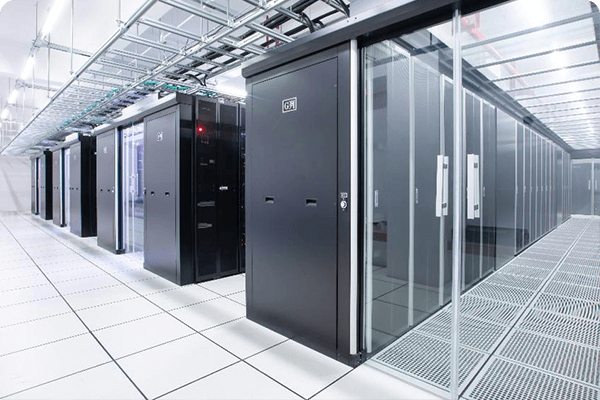
In the fourth part of our series on steel raised floors, we embark on a comparative analysis, pitting these innovative flooring solutions against traditional alternatives. By examining factors such as installation, maintenance, and adaptability, we aim to showcase the distinct advantages that set steel raised floors apart.
1. Installation Process: Speed and Efficiency
When it comes to the installation process, steel raised floors stand out for their speed and efficiency. Traditional flooring methods often involve time-consuming processes, including the curing of adhesives and setting times for materials. In contrast, steel raised floors, with their modular design, can be installed more swiftly, minimizing construction timelines and reducing associated costs.
2. Flexibility and Customization
One of the defining features of steel raised floors is their flexibility and customization capabilities. Traditional flooring methods, such as glued-down carpeting or hardwood, lack the adaptability needed for dynamic environments. Steel raised floors, with their modular panels, allow for easy reconfiguration to meet changing needs, providing a level of versatility unmatched by traditional alternatives.
3. Accessibility for Maintenance and Upgrades
Maintenance considerations play a crucial role in flooring choices. Traditional flooring, when damaged or requiring maintenance, often involves extensive and intrusive procedures. Steel raised floors, on the other hand, excel in this aspect. The plenum space beneath allows for easy access to underlying infrastructure, simplifying maintenance procedures and reducing downtime.
4. Cost Considerations and Long-Term Savings
While the initial cost of steel raised floors may seem higher than some traditional flooring options, it's essential to consider the long-term savings they offer. The efficiency of installation, reduced maintenance costs, and adaptability contribute to a higher return on investment over the life of the building.
5. Environmental Impact
In an era where sustainability is a top priority, the environmental impact of flooring choices cannot be overlooked. Traditional flooring materials may involve adhesives and finishes with volatile organic compounds (VOCs), contributing to indoor air pollution. Steel raised floors, with their focus on improved indoor air quality, align with sustainable building practices.
This comparative analysis underscores the distinct advantages of steel raised floors over traditional flooring methods, positioning them as a forward-thinking and practical choice for modern construction and design.







 Improved Airflow and Ventilation
 Accessibility for Cabling and Utilities
 Enhanced Flexibility in Space Usage